Pearly Queens
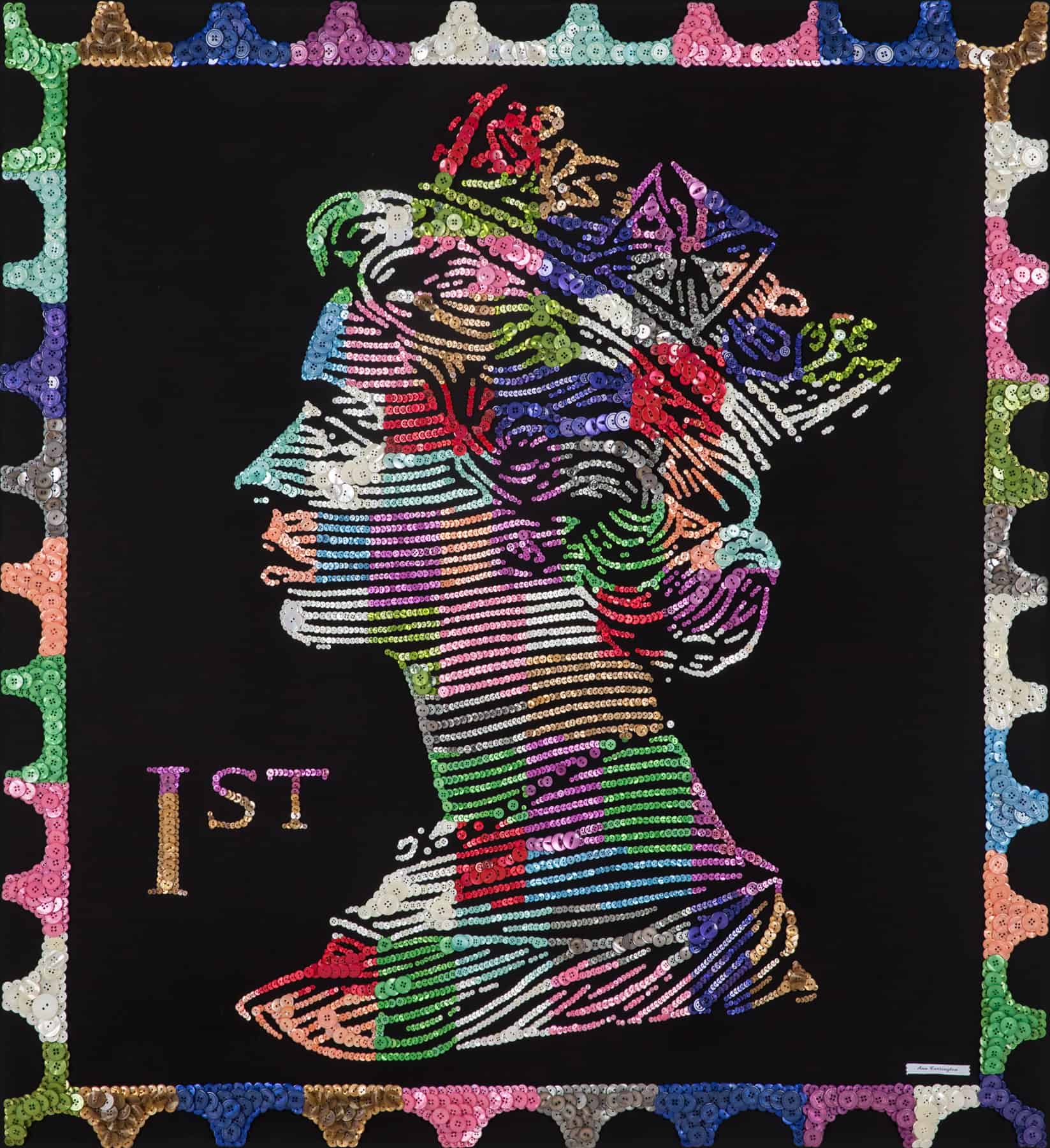
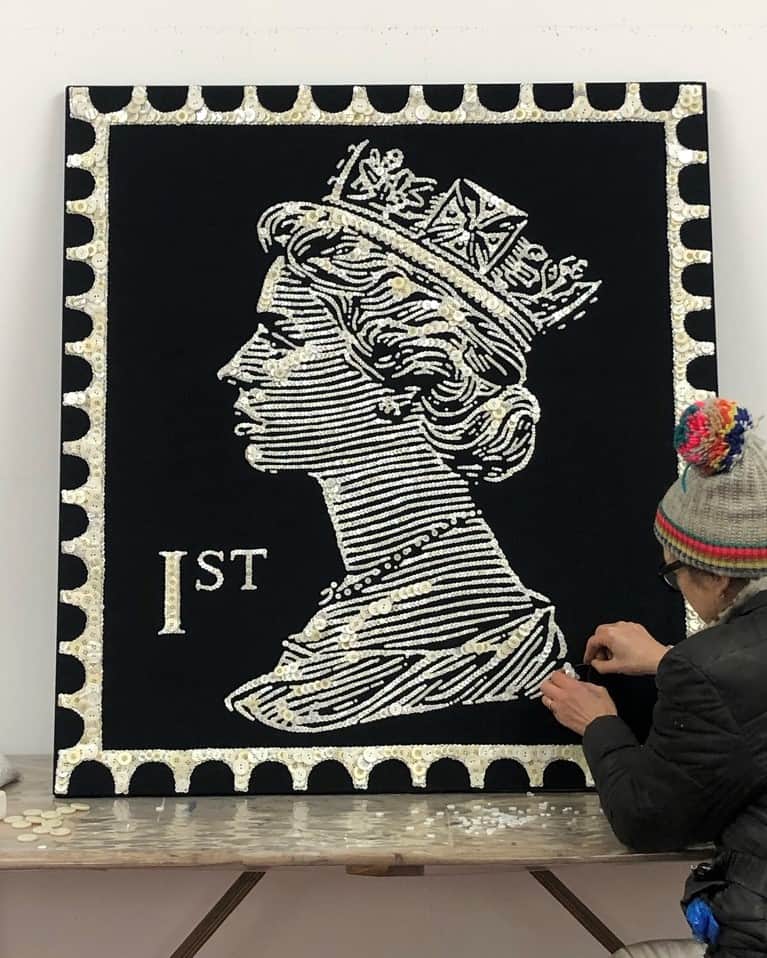
Interestingly, the most reproduced work of art in history is not the Mona Lisa. Sculptor Arnold Machin’s portrait of the Queen has sold more than 200 billion copies since it was issued in 1967 as the new UK postage stamp. The Machin design has become instantly recognisable – an iconic piece of 20th century design.
Collecting stamps as a child, I always found the Machin image strikingly beautiful. As the years went by, this humble stamp I unthinkingly attached to hundreds of envelopes became invisible to me with familiarity, yet gave a sense of continuity.
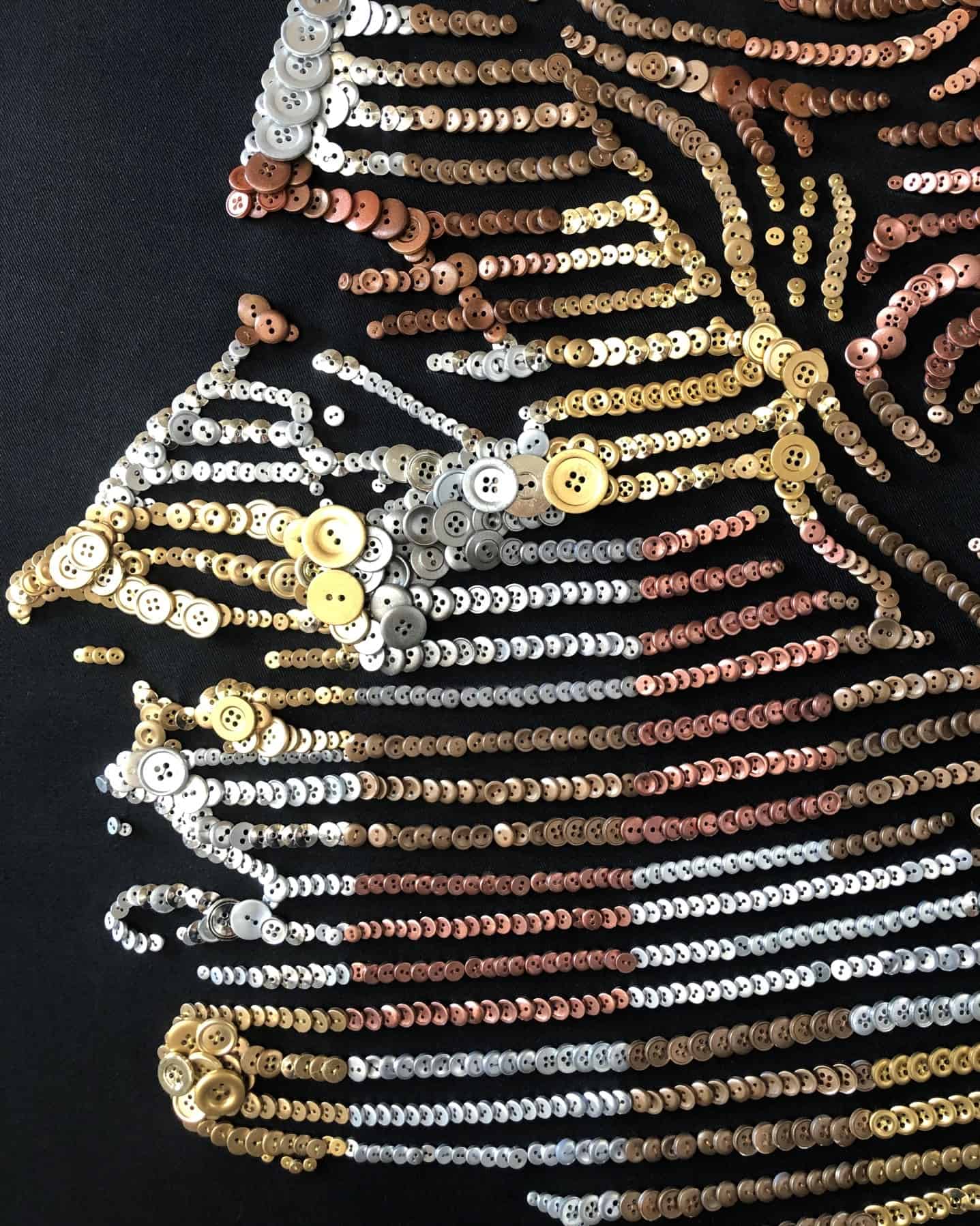
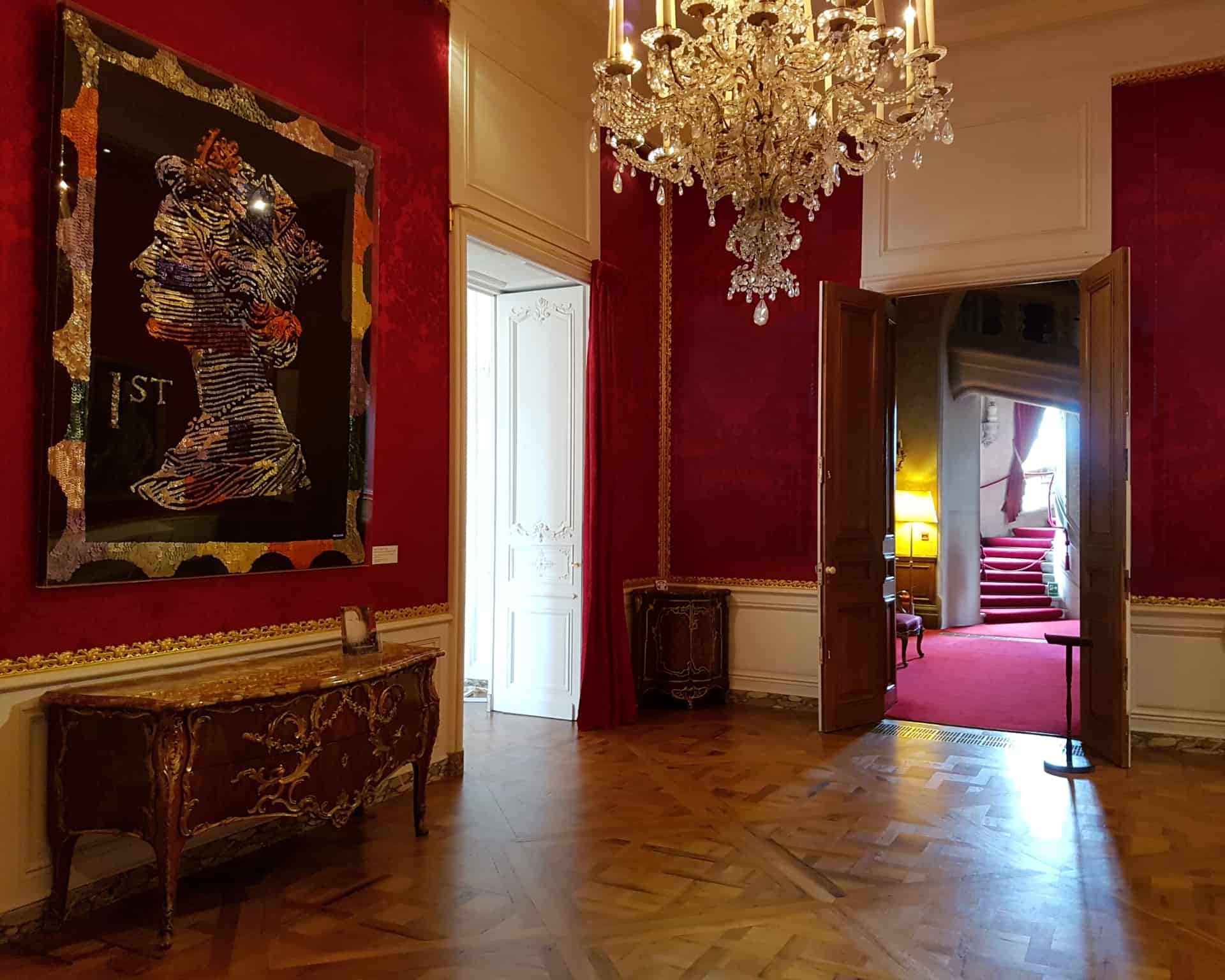
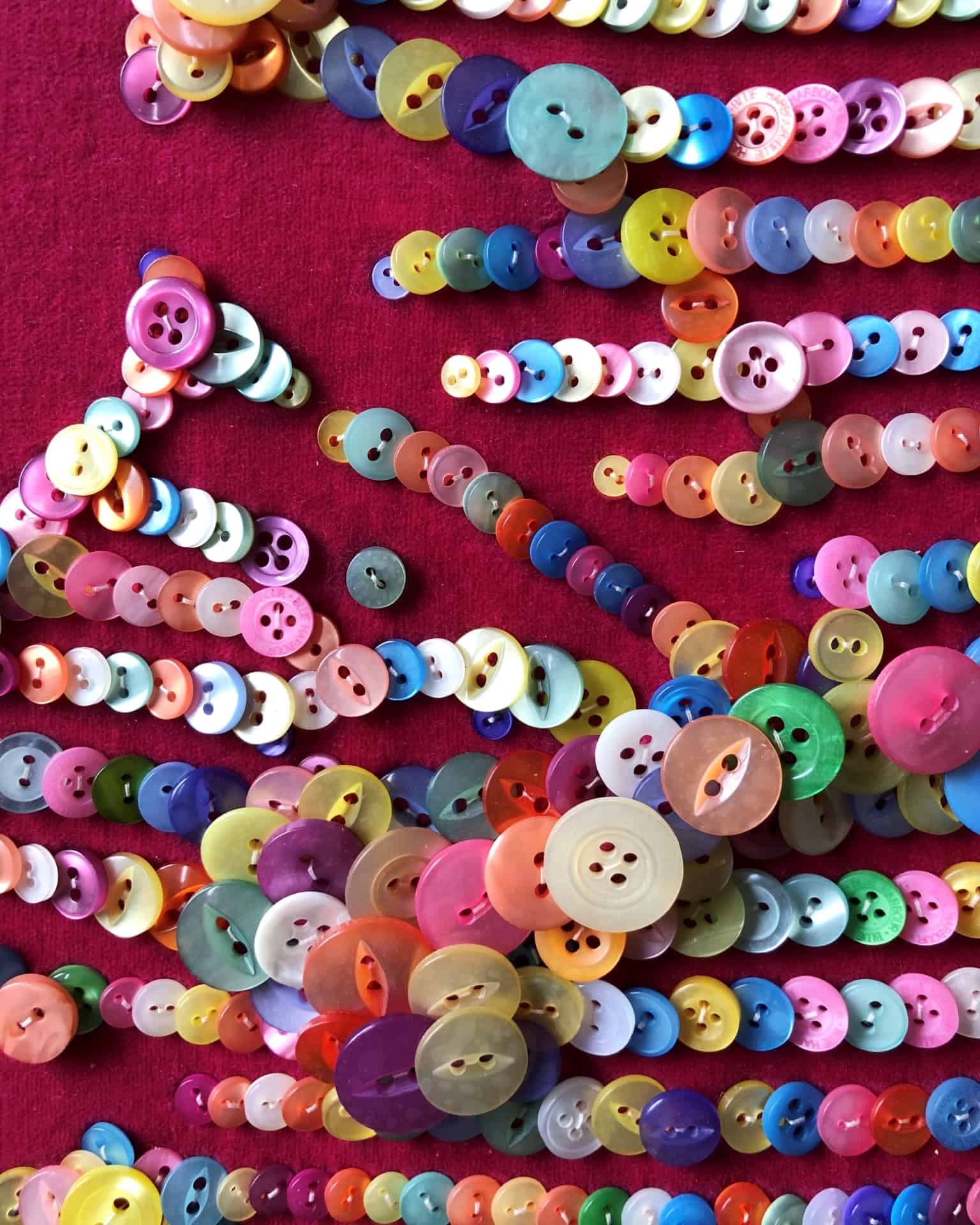
A few years ago, while mulling these things over, a letter arrived at my studio. On a whim I removed the stamp, photographed it and projected the image on to the wall, blowing it up to the size of a small Royal Mail van. On this scale the printing dots looked like buttons, which got me thinking of another great London establishment – the Pearly Kings and Queens.
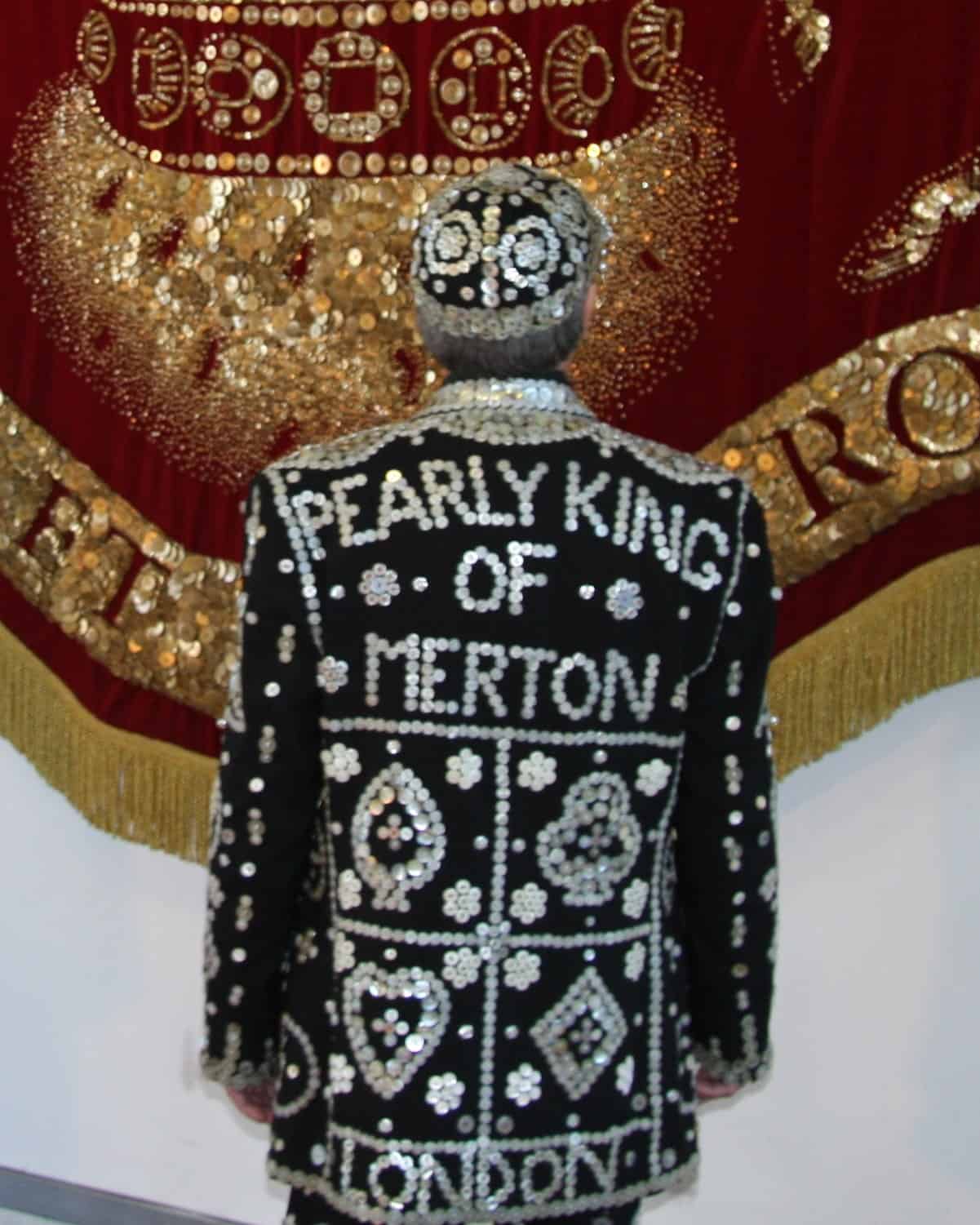
British culture is intriguing. Often viewed as rather staid, it has a deep and rich sub-cultural seam of riotous colour, glamour and strangeness. Among its most visible outcrops are London’s Pearly Kings and Queens. This alternative Royal Family, established in the 19th century, embroidered pearl buttons on their suits, encrusting every inch with folk motifs and bringing a flash of pearly reflected light into London life.
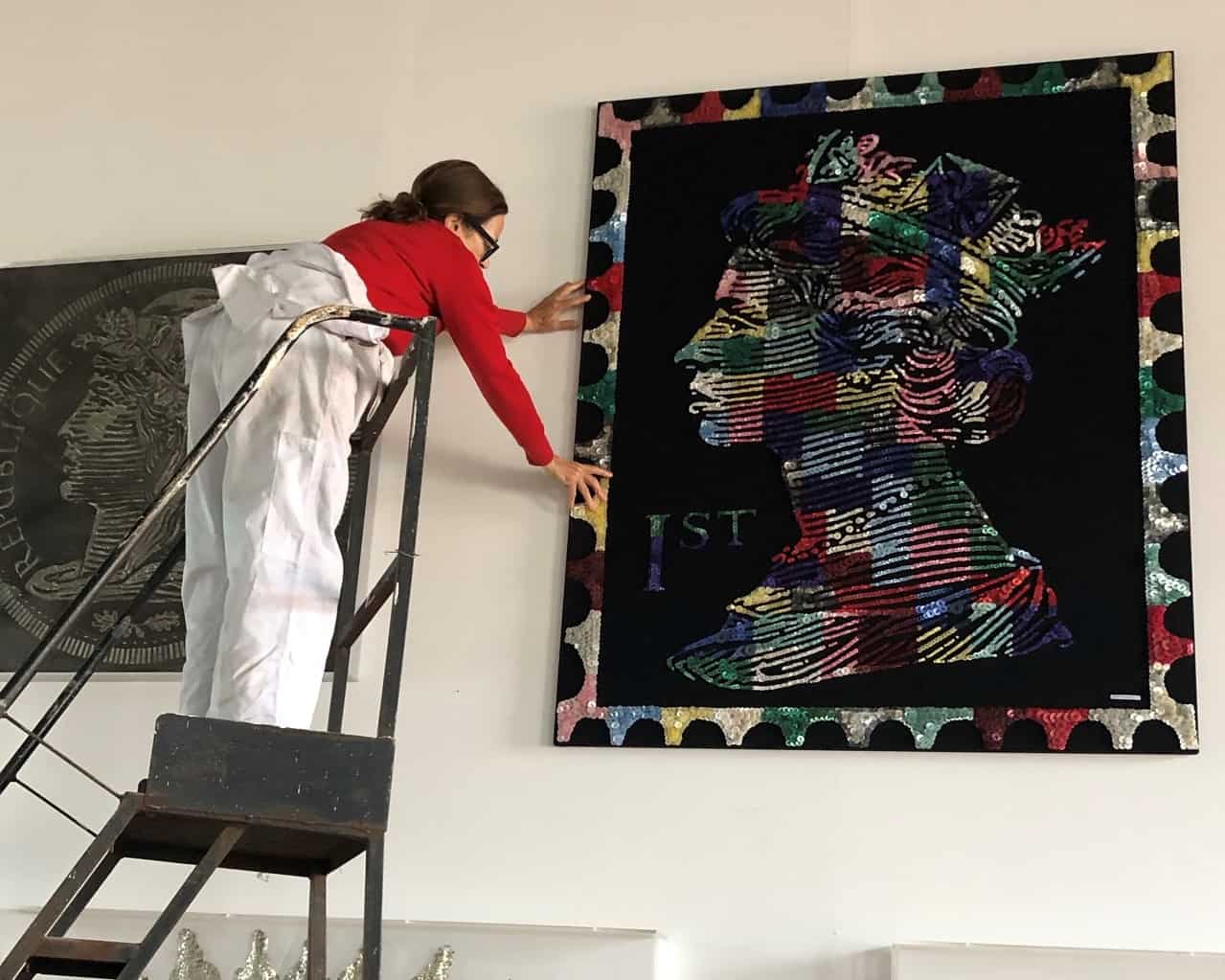
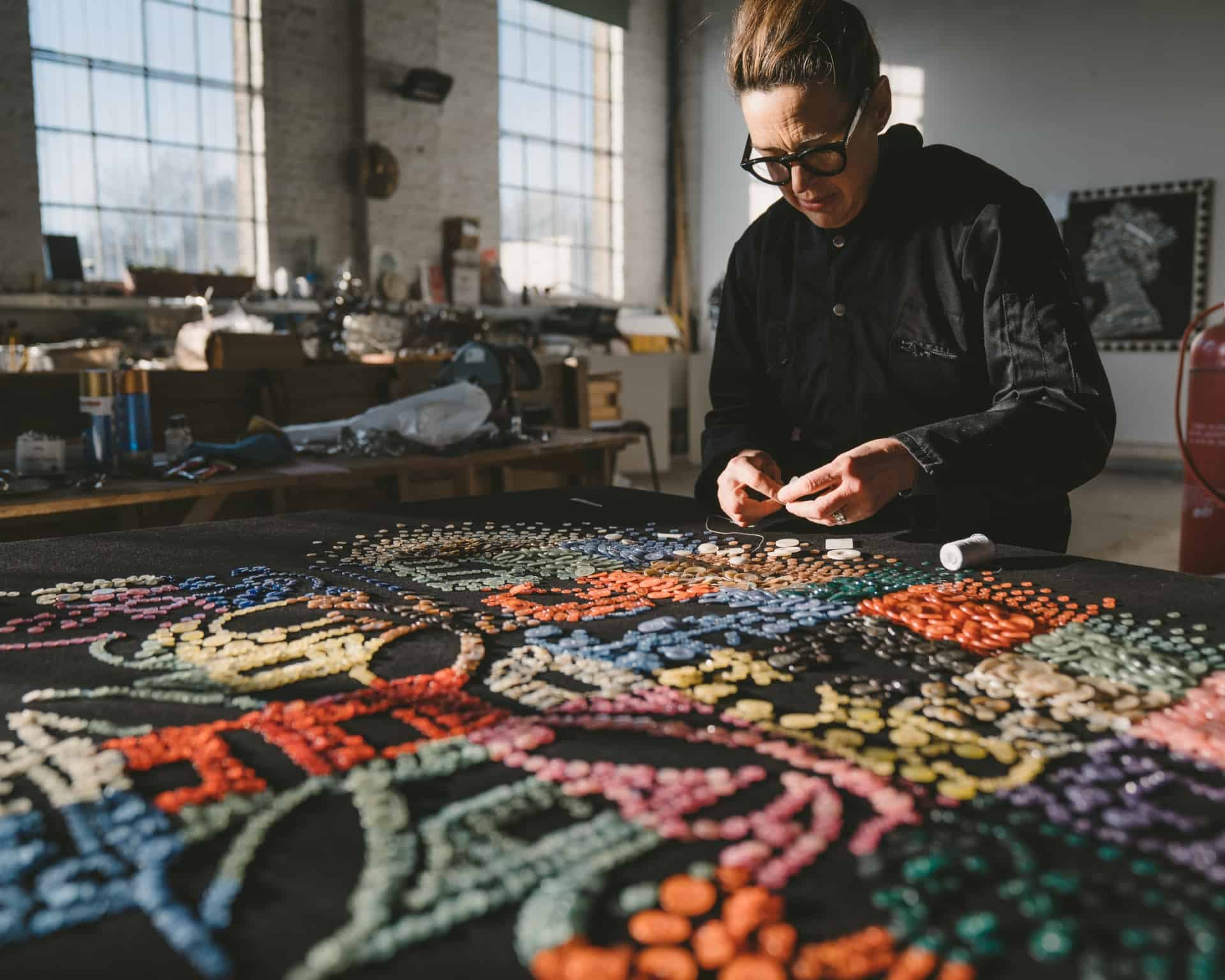
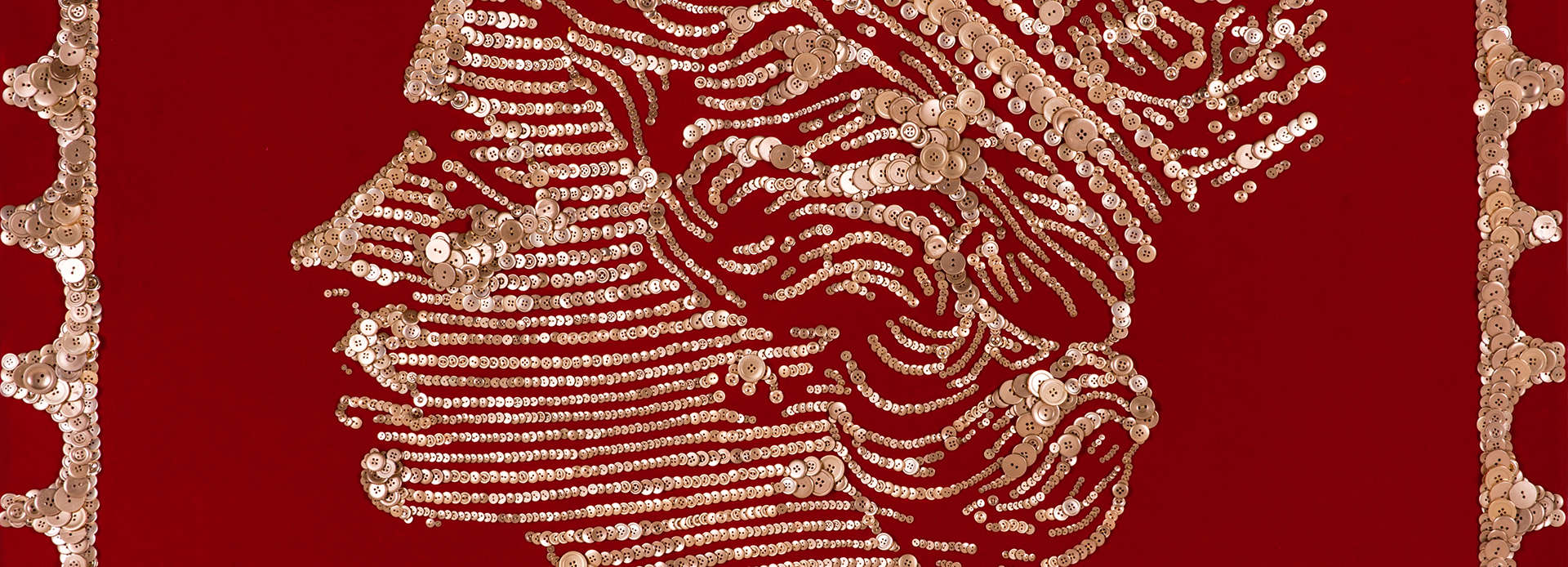
Combining these two threads of thought, my first Pearly Queen was born. A Machin stamp was enlarged on to black canvas and embroidered from pearl buttons specially dyed in a kaleidoscope of high-pitched disco patchwork colours. It was commissioned by Jacob Rothschild in celebration of the Queens 80th birthday, and now hangs in Waddesdon Manor as part of the Rothschild Collection.
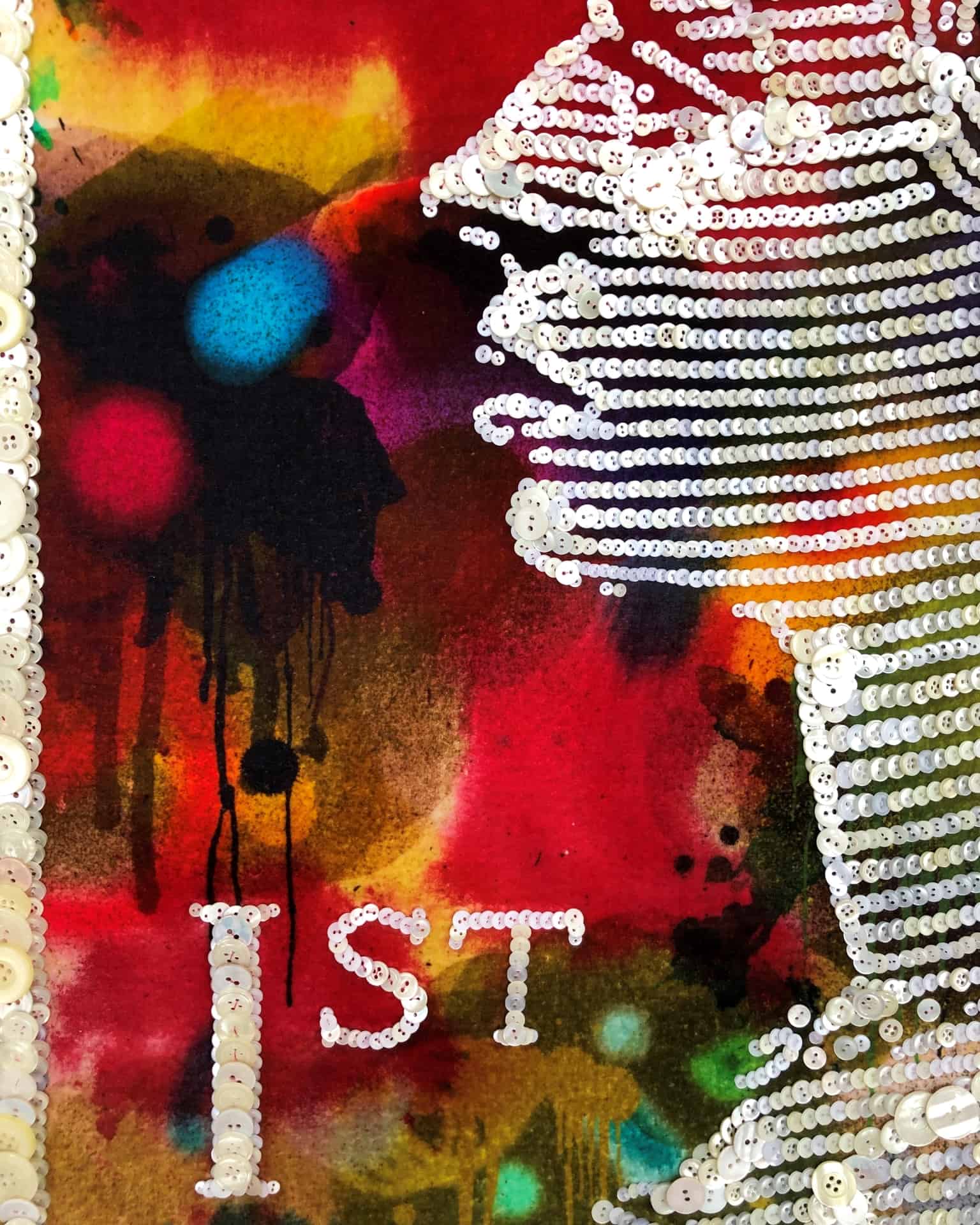
The Machin stamp has continued to fascinate me; each artwork pushing the philatelic boundaries, with graffiti velvet, ink blot satin, neon buttons, safety pins, bleach and zips.
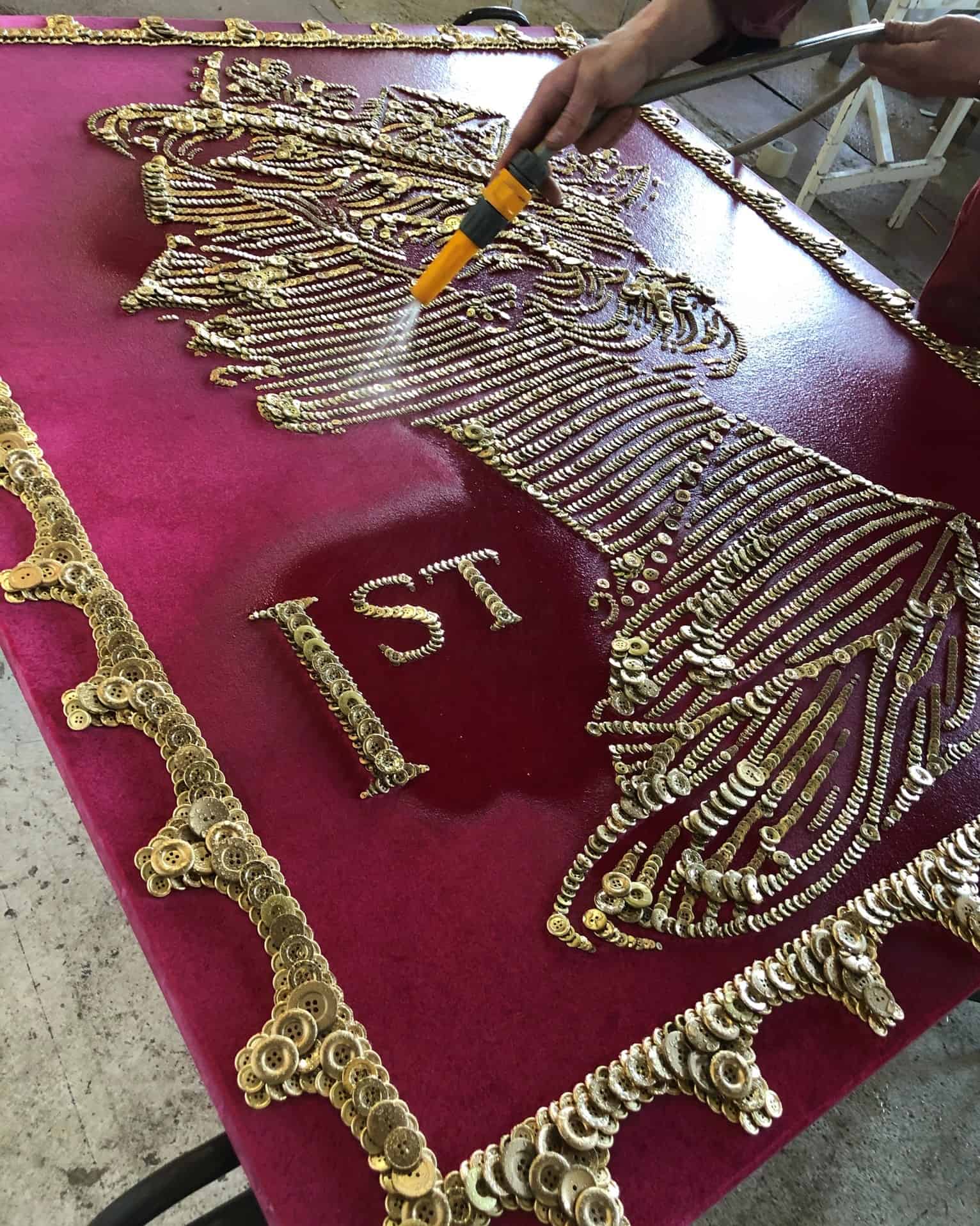
Elton John, Gwyneth Paltrow and the Earl of Westminster have all commissioned Pearly Queens, to name drop a few, but making a queen for the Queen(!) was the pinnacle. Created as a special commission for the Queen’s Diamond Jubilee, and made to complement the crimson velvet and golden button banner for the Royal Barge, the stamp artwork hung in the Queen’s waiting room.
You can’t just reproduce Machin’s beautiful postage stamp of the Queen – even if it is a hundred times bigger and made from velvet and buttons. One has to have an official licence. Every one of my Pearly Queens is officially licensed by Royal Mail Ltd and The British Postal Museum Archive – even my limited edition Pearly Queen prints which are available to order.
Pearly Queens – Catalogue
The Independent Magazine – Pearly Queen
Sleeper Magazine – Pearly Queen